


Set of 4 — Black steel cage pendants with yellow fabric cores
from $215Get quote
A wholesale quote is a sum of a few clear decisions. Here is how each one changes the price per shade, and where the quote has to be built by hand.
Updated 29 November 2026 · 6 min read
In short
Wholesale lampshade pricing is the unit price a maker quotes for a repeat order, set mainly by quantity per design, fabric, shape and frame. At KAHA, quotes are built at steps of 10, 50, 100 and 300 pieces per design, trade partners receive 8 to 10% off list, and regular dealers can agree credit of up to 30 days.
When a buyer asks why two quotes for the same-looking shade differ, the answer is nearly always in one of five places. Reading a quote with these five in mind makes comparing suppliers far easier. For terms and how a trade order is handled, see our page on wholesale lampshades; this guide stays with the arithmetic.
Here is a simple way to read two quotes. If one is lower, ask whether it assumes the same cloth, the same lining and the same quantity per design as the other. A quote that looks cheaper often covers a smaller run, a plainer cloth or a lining left out, and the gap closes once the specifications match.

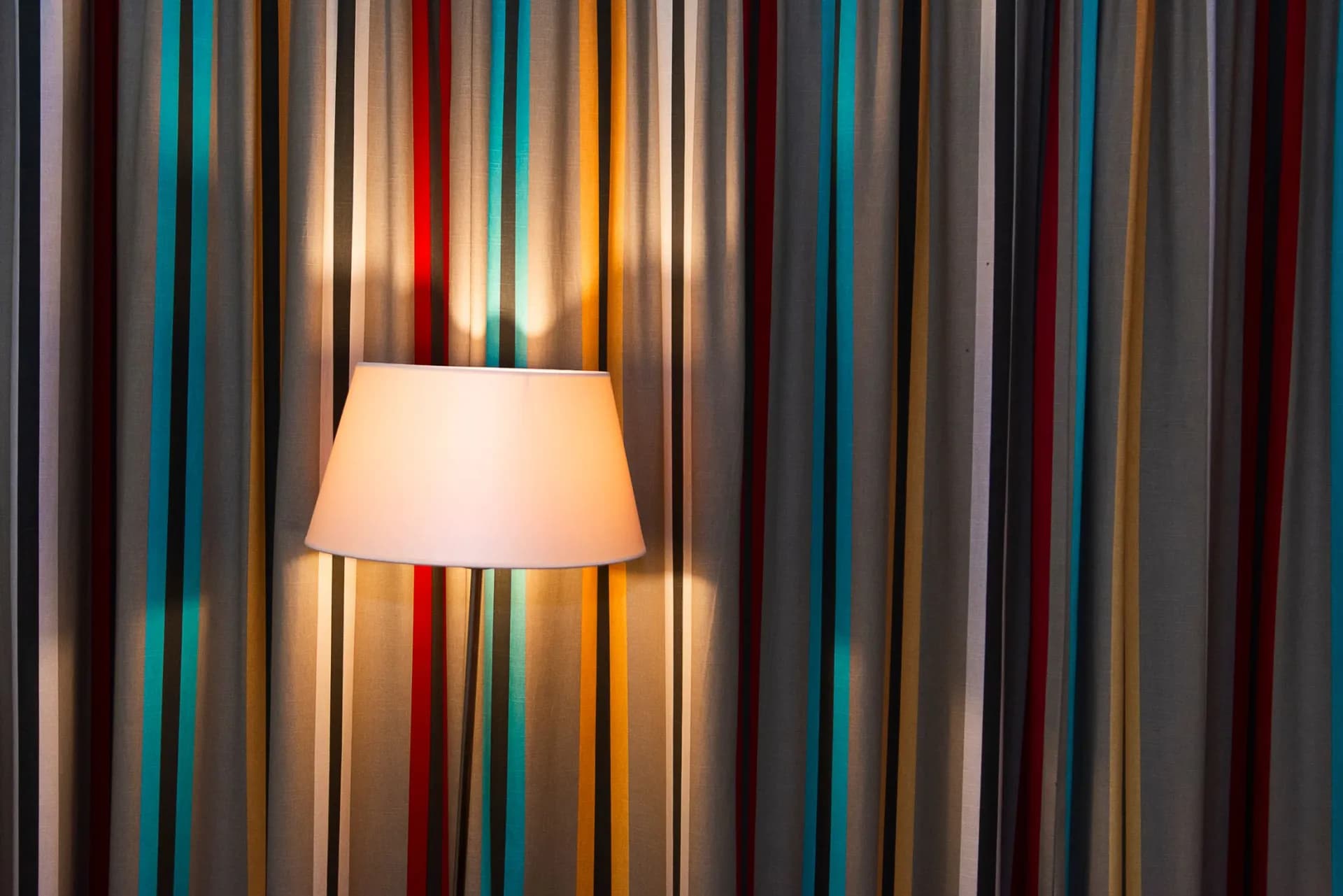
We price wholesale orders at steps of 10, 50, 100 and 300 pieces per design. Moving up a step lowers the unit price, and the larger the run the more of the set-up cost is spread across pieces. We do not publish a percentage for each step on this site, because the saving depends on the design and the cloth; you receive the exact figures in the quote.
The words per design matter. Two hundred pieces ordered as one design can be quoted at the 100 step. The same two hundred split across eight designs are eight small runs. If you can standardise on fewer shapes and let colour or cloth vary, you will usually see a better price.
If you expect to repeat the order, tell us at the start. A design that will be bought again in a few months is easier to plan around than one that is a single run, and it is worth asking what a reorder would look like at each step before you commit to the first quantity.
Source: KAHA wholesale terms (hub-facts-xuong-den-vai.json): each design is quoted at these quantity steps.
From the collection
Designs sold in sets or in repeat quantities. Each one can be quoted at the steps above.


Indicative unit price, ex-works Ho Chi Minh City. Excludes freight, insurance and duties. Volume pricing confirmed on quotation.
Cloth falls into three bands. Raw tussah silk and heavy canvas sit at the lower end. Brushed linen, fleck linen and taffeta share the middle band. Mulberry silk and two-tone silk sit at the top, with two-tone silk the most premium of the seven.
These are per-shade bands for shades in the standard range, converted to US dollars. Within a band you can choose on look and light alone, which is a useful way to simplify a decision: pick the band your budget allows, then pick the cloth. Our guide to silk lampshades covers the top band in detail.
The cheaper band is not automatically the poorer choice. Raw tussah silk is expected to last 3 to 5 years indoors and two-tone silk 5 to 7, so a café that refits every few years may reasonably choose the lower band, while a hotel that wants a shade to stay in place for a long time may prefer the upper one. Match the band to how long the shade has to stay.
Source: KAHA fabric list (kaha-fabric-types.json), converted at 26,000 VND per USD. Large pendants and custom shapes are quoted separately.
We make 18 shapes on powder-coated steel frames, with a coat of 60 to 80 microns, in 28 standard colours. For coastal projects an anti-rust treatment is available. Standard shapes in standard sizes price from the bands above.
Large pendants, chandeliers and shapes drawn from scratch are quoted separately, because the frame and the labour become a bigger part of the cost than the cloth. Sizes can go up to 5 metres. If your project includes a few statement pieces among many ordinary shades, ask for them to be quoted as separate lines so the volume shades keep their step.
Finish is where small decisions pile up. A trim, a lining or an unusual frame colour each add a little to a single shade, and across a run of a few hundred the total is noticeable. Decide on the finish before the quote is requested so that the sample you approve is the sample you priced.
| Element | Effect on price | How it is quoted |
|---|---|---|
| Quantity per design | Larger step, lower unit price | Steps of 10, 50, 100, 300 |
| Fabric | Three bands from canvas to two-tone silk | From the published bands |
| Standard shape and size | Baseline | From the bands |
| Pleated or tall shapes | More cloth and hand work | In the design quote |
| Large pendants, custom shapes | Frame becomes the larger cost | Separately, per design |
| Frame colour | Standard range, small effect | 28 colours; Pantone on request |
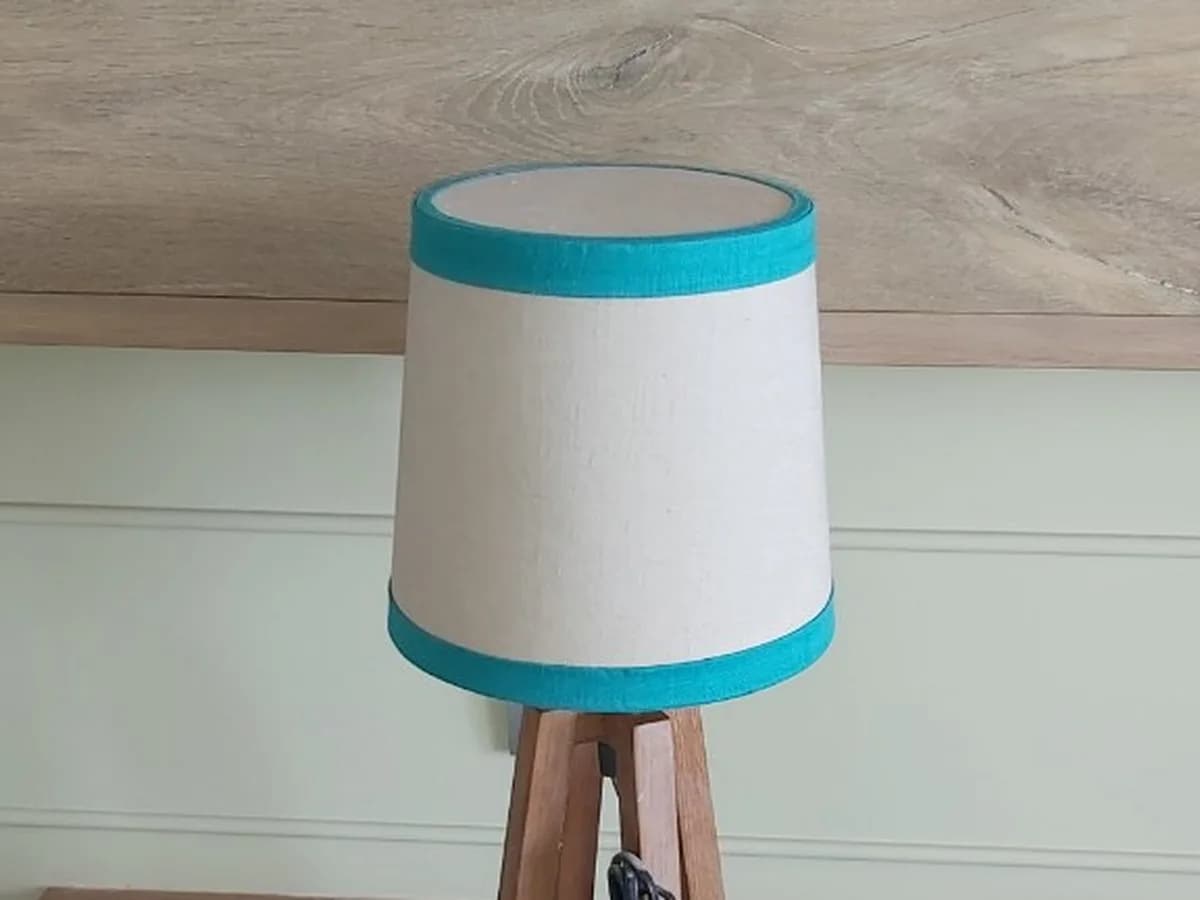
Contractors, design studios and dealers are treated as trade partners and receive 8 to 10% off list price, depending on volume and how often you order.
Regular dealers can also agree credit of up to 30 days, set by agreement. Otherwise the usual terms apply: 50% on approving the sample and 50% before delivery. Hotel projects work without a deposit. All prices are ex-works Ho Chi Minh City, and the sourcing checklist explains how export handover works.
If you are a contractor or a studio buying on behalf of a client, tell us so in the first message. The trade rate is built around the partner relationship, so it helps to say how often you expect to order and roughly how many pieces each time. A hotel project has its own terms, which start without a deposit.
Keep the discount in perspective. It applies to the list price of the piece, and the quantity step applies to the quote, so the two are separate levers. A partner who orders a large run of a single design benefits from both, while a partner who buys one-off pieces for many clients benefits mainly from the trade rate. Knowing which kind of buyer you are is the quickest way to judge which of our terms matter most to you.
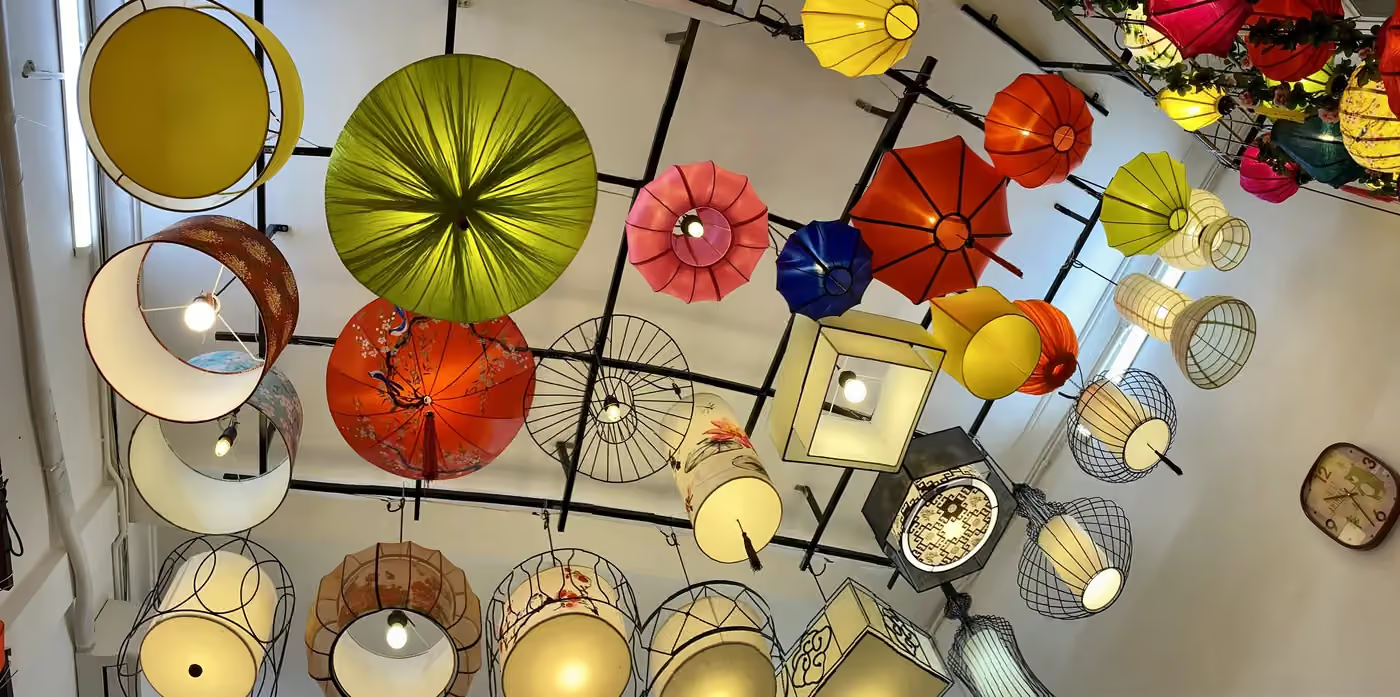
The catalogue lists several hundred finished pieces with a list price on each. It is a good way to see where a design sits before you ask for a quote, and the full collection can be filtered by group. The chart shows how list prices spread across the catalogue.
A list price is a one-piece price. Wholesale quotes for the same design come in at the steps above, so use the list price to choose the design and the quote to plan the budget. If you already own frames, re-shading them typically costs about 80 to 90% of the price of a new shade, all-in.
The chart shows that list prices cluster in the lower bands, with a smaller number of large or elaborate pieces at the top. That shape is normal for a catalogue that mixes small table shades with big pendants, and it is why a single average price tells you very little about your own order.
Source: KAHA English catalogue (en-collection.json), list prices in USD at 26,000 VND per USD.
Ask every supplier to price the same thing: the same fabric, shape, size, lining and quantity per design. Ask what the sample costs, how long it takes and what deposit is required. Vague answers on any of these usually mean the headline unit price will move later.
A checklist for the comparison: the cloth by name, the shape and the dimensions, the lining, the frame colour, the quantity per design, the sample cost and time, the deposit and the production time after approval. If every supplier answers the same eight points, the quotes can be set side by side without guesswork.
Send the drawing or photo, the sizes and the quantity per design and you will receive a quote within 30 minutes during working hours. You can start by messaging us on WhatsApp or Zalo, or by email.

Next step
Wholesale lampshades
Trade terms, how a wholesale order is packed and what to send for a quote.
Questions
We quote at steps of 10, 50, 100 and 300 pieces per design. A larger step lowers the unit price, and the exact figures come with the quote.
Contractors, design studios and dealers receive 8 to 10% off list price, depending on volume and frequency of ordering.
Regular dealers can agree credit of up to 30 days. Terms are set by agreement.
Because the frame and the hand work make up more of the cost than the cloth. Sizes can go up to 5 metres, so each of these pieces is priced from its own drawing.
Raw tussah silk and heavy canvas sit in the lowest of the three published bands. Mulberry silk and two-tone silk are the highest, and linen and taffeta sit between them.
Keep reading