


Tiered cream silk atrium pendant, bamboo-shoot form
from $735Get quote
Silk is the cloth people reach for when the shade itself should be seen. Here is how the three silks we cut for shades and pendants differ, and where each one belongs.
Updated 29 November 2026 · 7 min read

In short
A silk lampshade is a shade whose outer cloth is woven from silk thread, stretched over a steel frame and usually backed with a liner. Silk carries a natural sheen, takes colour deeply and lets light through with a soft glow, so the shade looks finished when the lamp is off as well as on.
Silk fibre is long, smooth and slightly translucent. Woven into cloth, it reflects a little light from its surface, which is the sheen, and passes the rest through, which is the glow. Linen and canvas mostly do the second thing. Silk does both at once, so a silk shade has a lit surface with soft highlights instead of a flat even tone.
The three silks differ in where the thread comes from. As general background, mulberry silk comes from silkworms fed on mulberry leaves and gives a fine, even thread. Tussah silk comes from wilder silkworms and gives a coarser, more textured thread, which is why raw tussah cloth looks and feels so different from a smooth silk. The raw tussah silk for our shades is hand-woven in Nam Dinh.
That sheen is the reason silk shades appear in spas, hotel lobbies and dining rooms, where the lamp is part of the decor. If you are choosing a shade for a pendant over a table or a drop in a reception area, our fabric pendant lights page shows the shapes and sizes we build in silk, linen and pleated cloth. This guide is about the silks.

Mulberry silk is woven with a raised pattern and takes richer colours than the other silks. It is the one we point to for Asian-inspired interiors and spas, where a quiet pattern in the cloth is welcome. Two-tone silk is two layers in different colours. The tone of the shade shifts as the light moves across it or as you walk past, and it is the most premium of the seven materials with published prices.
Raw tussah silk is hand-woven in Nam Dinh, and the weave is irregular by nature, with a dry hand and visible slubs. It is our bestselling material. It has less shine than the other two silks, and it sits between silk and linen in character. For a rough natural look it is the one to see first.
| Silk | Surface | Light when on | Rooms it suits |
|---|---|---|---|
| Mulberry silk | Woven raised pattern, rich colour | Soft glow with a visible sheen | Spas, Asian-inspired rooms, restaurants |
| Two-tone silk | Two layers in different colours | Tone shifts with the light | Suites, lobbies, VIP and boutique rooms |
| Raw tussah silk | Hand-woven, irregular, dry hand | Even and warm, little sheen | Cafés, dining rooms, natural interiors |
From the collection
Finished pieces in silk. Any of them can be made again in another silk, size or colour.


Indicative unit price, ex-works Ho Chi Minh City. Excludes freight, insurance and duties. Volume pricing confirmed on quotation.
A shade can be judged by two things: how much light it spreads, and how much character it adds on its own. Diffusion is how evenly the cloth spreads the bulb. Sheen is how much the cloth catches the room around it. A smoother silk gives more sheen and slightly less diffusion, because some light bounces off the face of the shade before it ever passes through.
Colour behaves differently on silk. A deeply dyed silk can look dark when the lamp is off and glow brightly when it is on, because the light passes through coloured fibre. A pale silk goes nearly white at the centre of the shade and keeps its colour only towards the edges. When choosing a colour, look at the swatch twice, once with the lamp off and once with a bulb behind it.
In practice the choice is simple. If you want the shade to disappear into a calm room and you care most about an even glow, pick raw tussah silk or a linen. If you want the shade to be a feature, with colour and highlights, pick mulberry or two-tone silk. A lining changes things again: a gold lining adds warmth and sends the light up and down, a white lining lets it pass through the walls of the shade.
Source: KAHA hotel order terms (hotel-order-facts.json).
Linen is the quieter cloth. It diffuses light with a visible grain and never competes with the furniture. Silk is the more decorative cloth. It costs more per shade, it shows colour more strongly, and it looks richer when the lamp is off. Our guide to linen lampshades covers the four linens if you want to compare.
A hold-it-up-to-a-bulb test works well here. Linen will look evenly lit with a coarse grain. Silk will show a brighter centre with a soft shine around it. Fabric swatches are free, so you can try both at home beside the lamp you already own.
A lining changes the comparison again. Behind silk, a lining keeps the bulb from showing as a bright spot, though it also takes a little of the sheen out of the cloth. Silk without a liner shows more of its own colour and weave when lit.
Source: KAHA fabric list (kaha-fabric-types.json), converted at 26,000 VND per USD. Large pendants and custom shapes are quoted separately.
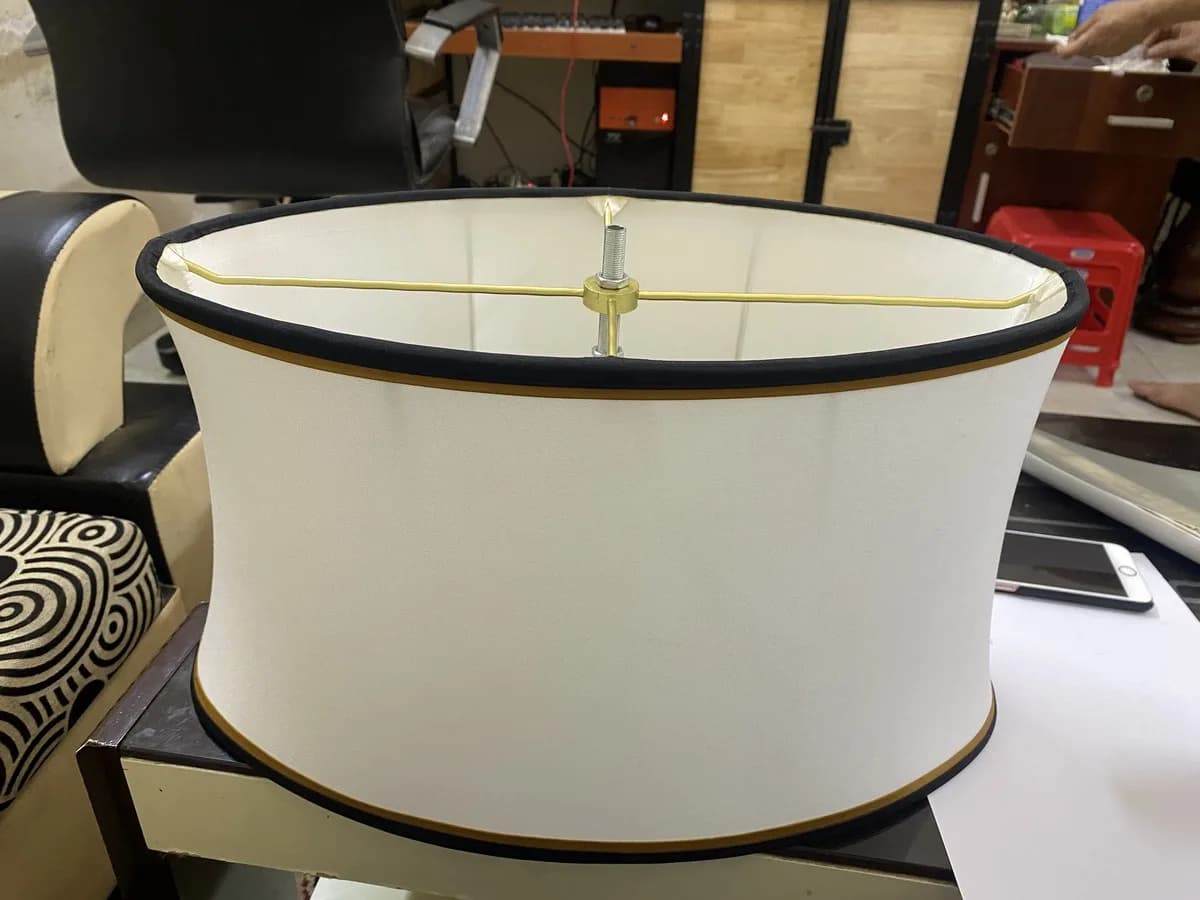
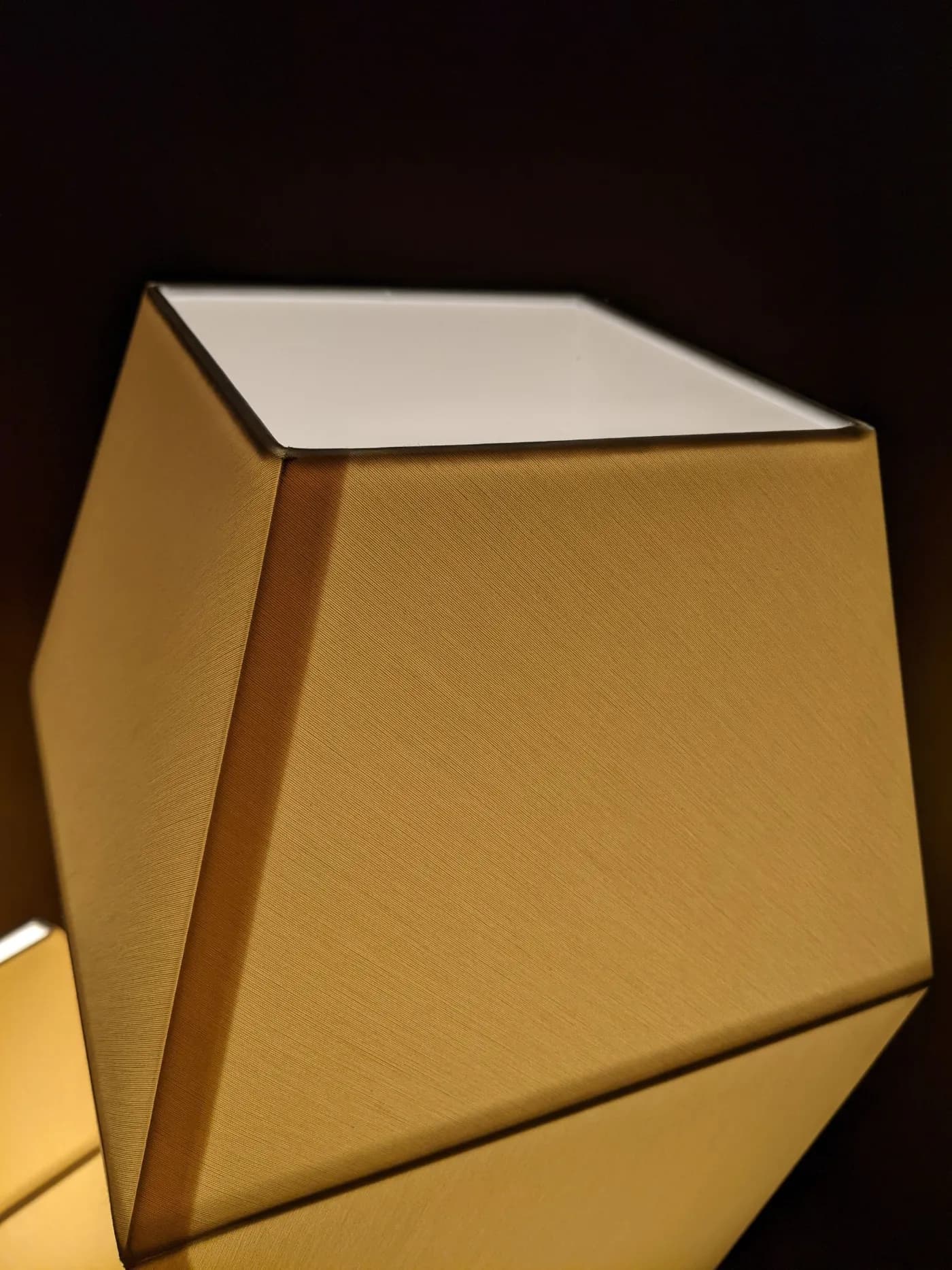
Silk works where people look at the lamp from a little distance and expect a finished interior. In a spa or a treatment room, the soft sheen suits a slow pace and low lighting. In a hotel lobby, a larger silk pendant gives a reception area a sense of arrival without the hard shine of metal or glass. Over a dining table, a mulberry or raw tussah shade gives a warm, even light that flatters food and faces.
It is less suited to places that need a wipe-down every day, such as a busy counter. For that use, a smoother cloth like taffeta, which is easy to keep clean, is the practical choice. For hotels specifically, our page on hospitality lighting shows how shades are specified room by room.
Scale matters too. A small silk shade on a bedside lamp is a detail. A large silk pendant over a lobby is a statement, and its seams and edges are examined from below, so the finish needs to be exact. Large pendants are quoted separately because the frame becomes a bigger part of the cost than the cloth.


Indoors, the three silks have an expected life between three and seven years, depending on the cloth, and the chart shows the range for each. Sun is the main enemy. Silk can fade under strong direct sun, so hang silk shades away from west-facing glass if you can.
Keep the bulb within 20 W, because the cloth carries no flame treatment, and a cooler LED is kinder to silk as well. Dust the shade with a soft brush or a dry cloth. The cloth is not washable, and water will leave marks that do not lift.
Source: KAHA fabric list (kaha-fabric-types.json). Indoor use; dust with a soft brush, the cloth is not washable.
For one or two shades, send a photo of the lamp or the ceiling and the silk you like. We suggest a shape and size, and the standard pendant drop is 1–2 metres. For a project run, custom work usually starts at 10 pieces per design in Vietnam and 50 for export, with a sample approved before production. Production takes 7–10 days for up to 100 pieces.
If you would like a single design repeated across a hotel or restaurant, request a quote with the space and the quantity. Quotes go out within 30 minutes in working hours.
Hotel projects have a few extra steps. Shades come with three lining options (white, gold or silver), one prototype is approved before mass production, and there is no deposit for hotels. The hotel lampshade specification guide goes through the brief in detail, including how a silk prototype is signed off.
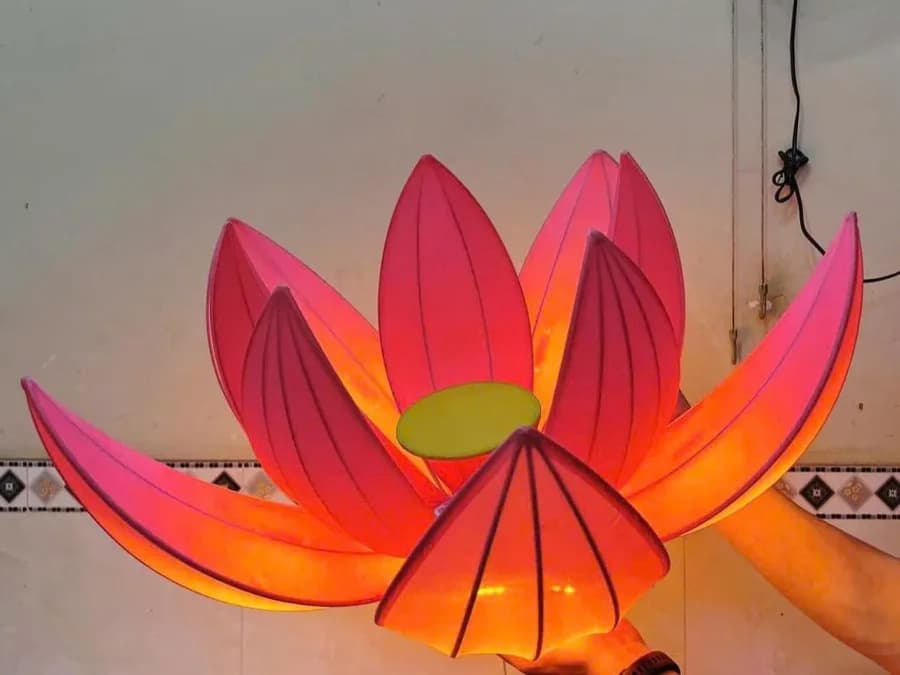
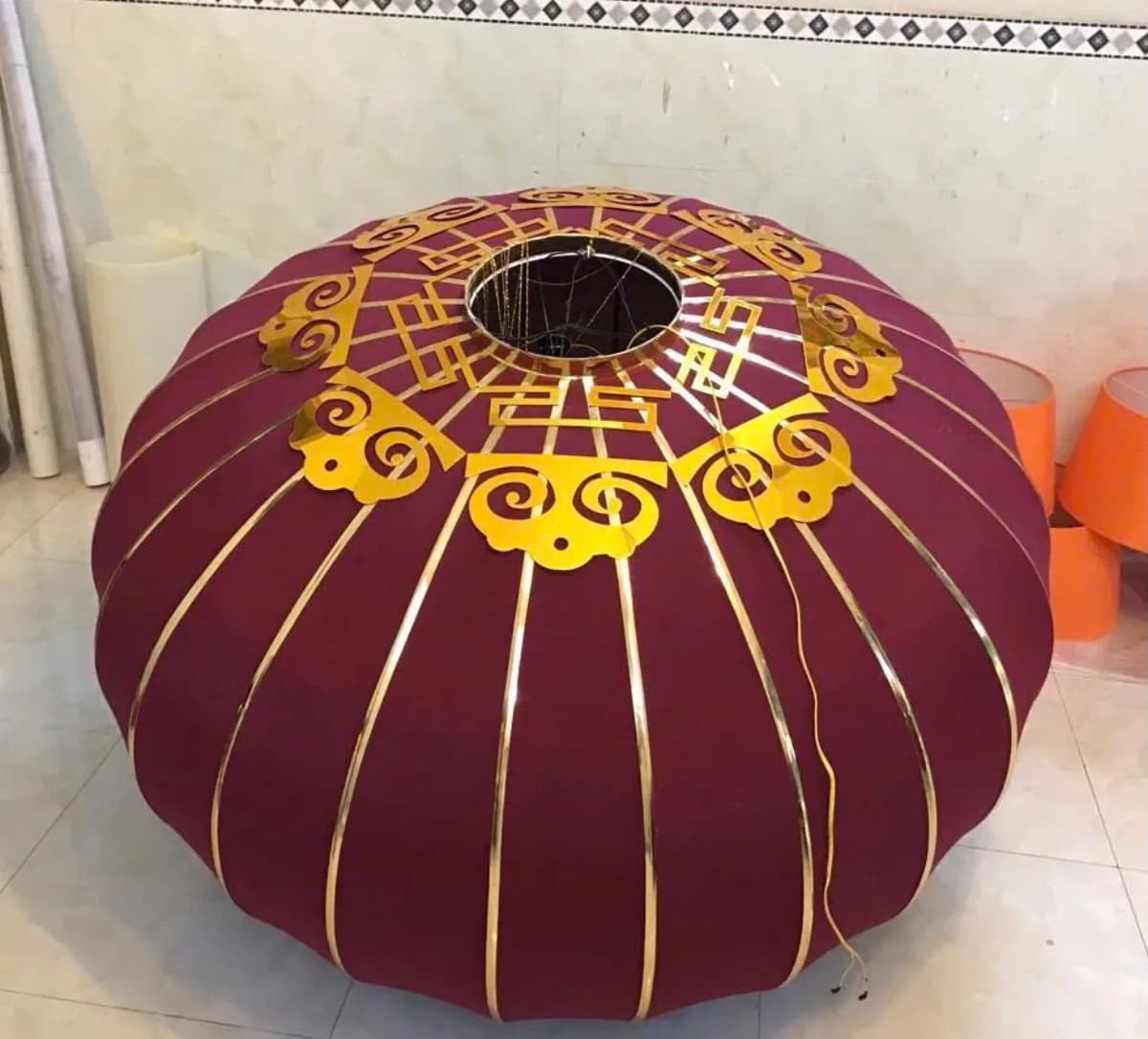
Next step
Fabric pendant lights
Pendants sized to your ceiling and table, in ten fabrics including all three silks, with a sample before larger runs.
Questions
It depends on the effect you want from the shade. Mulberry silk has a raised woven pattern and rich colour. Two-tone silk shifts tone with the light and is the most premium of our seven priced materials. Raw tussah silk is hand-woven in Nam Dinh and is our bestselling cloth.
Mulberry silk and two-tone silk cost more per shade than linen. Raw tussah silk costs less than linen. The price chart in this guide shows the published band for each.
No. The cloth is not washable, and water leaves marks on silk that do not lift. Dust it with a soft brush or a dry cloth, and keep it out of strong direct sun, which can fade the colour over the years.
Yes. Fabric swatches are free, and we suggest holding one up to a bulb beside your own lamp. A finished sample shade is charged at its value, except for hotel projects, where the sample is free. A finished sample usually takes 7 days, so you can judge the sheen on the real shade before a run starts.
A maximum of 20 W per shade, because the cloth carries no flame treatment. A warm LED bulb below that limit keeps the silk cooler and the glow softer.
Keep reading