
Fabric lampshade for restaurants and cafés
from $190Get quote
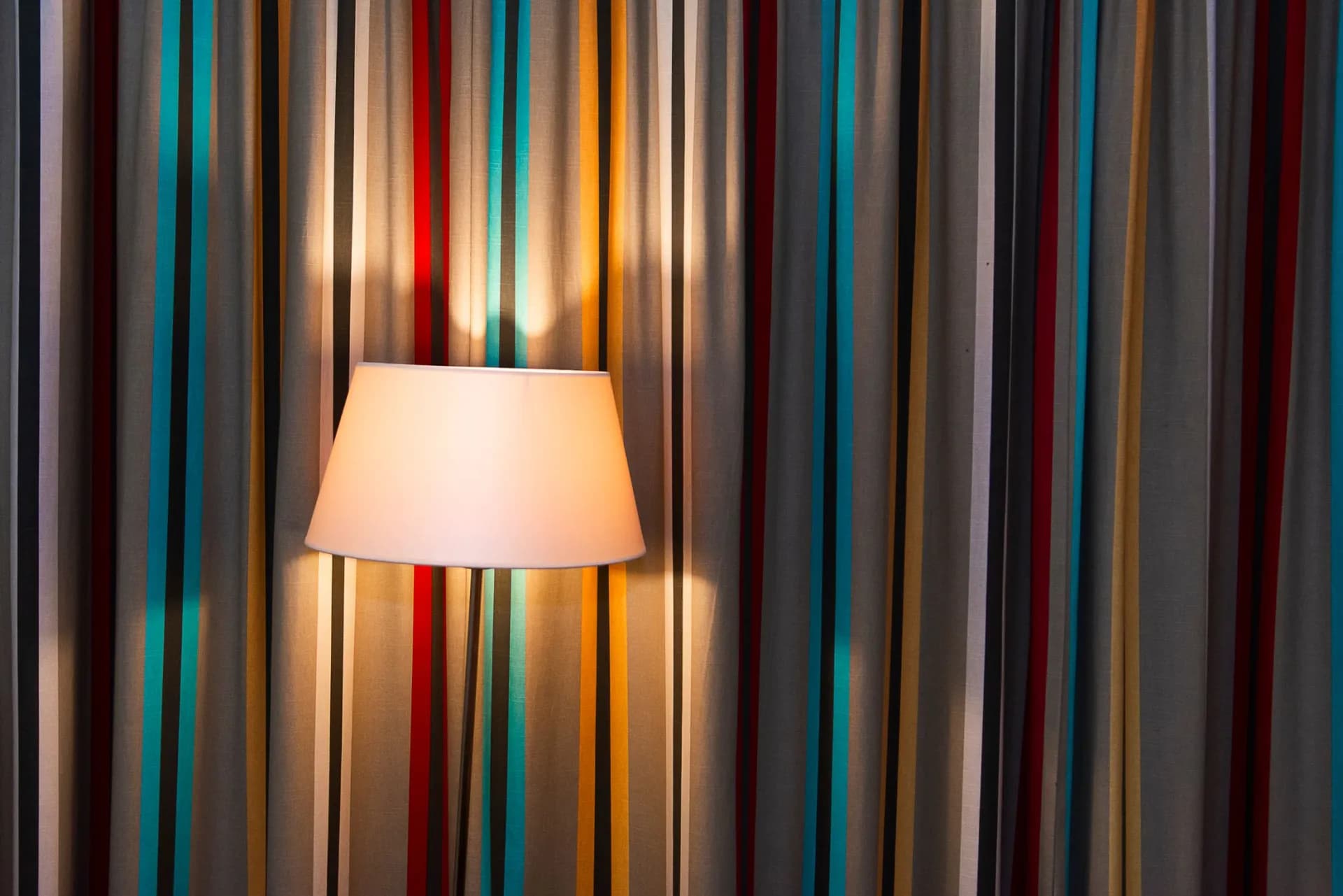
Most people don’t need a whole new table or bedside lamp — the base is usually fine, and it’s the shade that has gone dull, torn or simply doesn’t suit the room anymore. KAHA hand-builds fabric shades in Saigon sized to fit the base you already have, in linen, silk and pleated cloth, since 2018. This page covers sizing, measuring, fitters, fabric choice, ordering, delivery and care.
From the Sample Library
These are the fabric shades KAHA builds most often — sized to sit on the harp or fitter of a table or bedside lamp base you already own, not sold with a base included.


Indicative unit price, ex-works Ho Chi Minh City. Excludes freight, insurance and duties. Volume pricing confirmed on quotation.
Shapes We Build
All 18 of KAHA’s shapes can, in principle, sit on a lamp base rather than hang from a ceiling — but the six below are what people actually ask for most when replacing a table or bedside shade. A drum or empire is the safe, classic choice for almost any turned base; oval and square shapes suit a more deliberate, formal or modern piece.
Drum
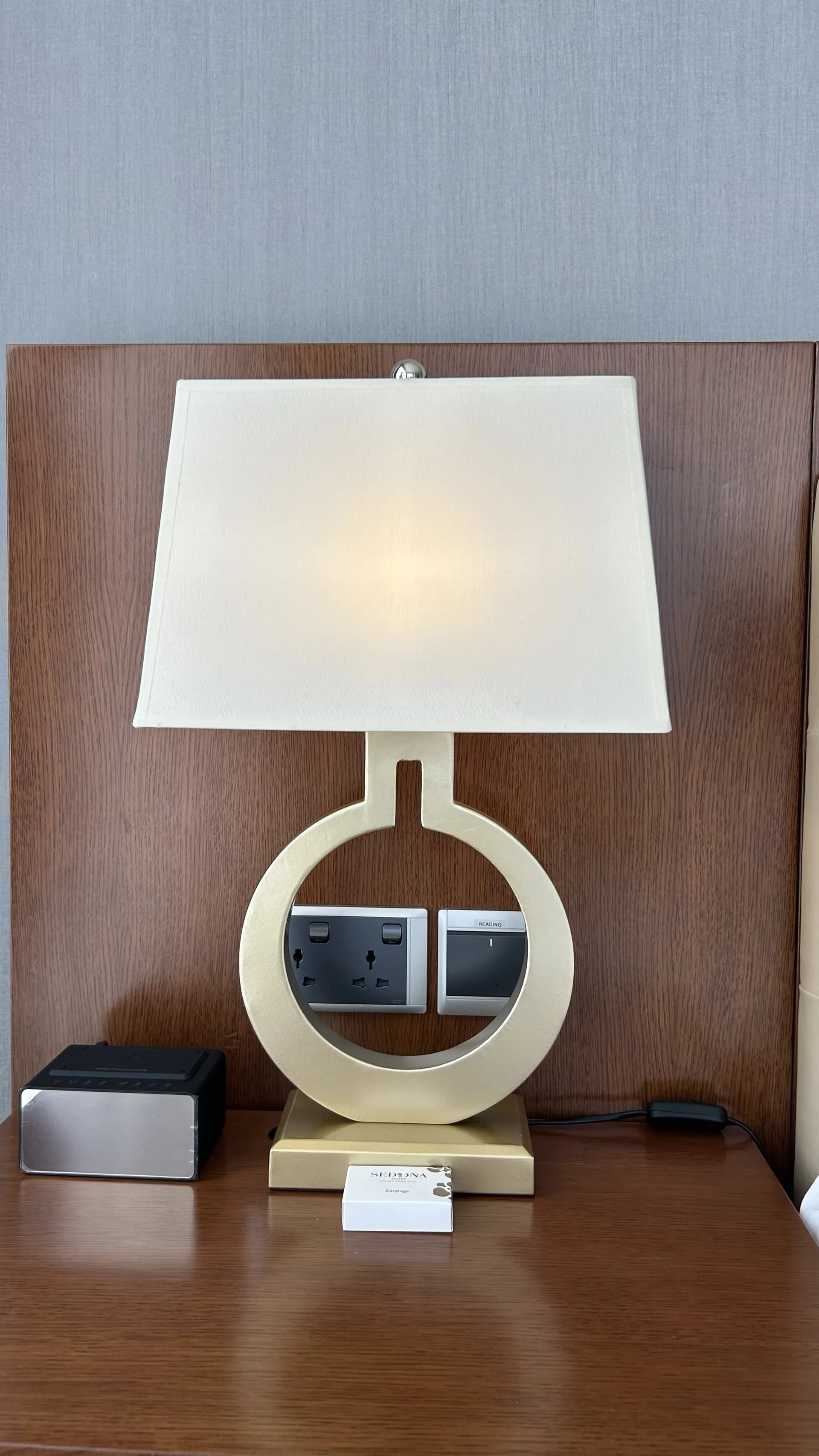
Straight-sided and the most requested shape for a table or bedside base — sits evenly on almost any harp.
Empire
Tapered, narrower at the top than the base — the classic bedside-lamp silhouette, softer than a drum.
Oval
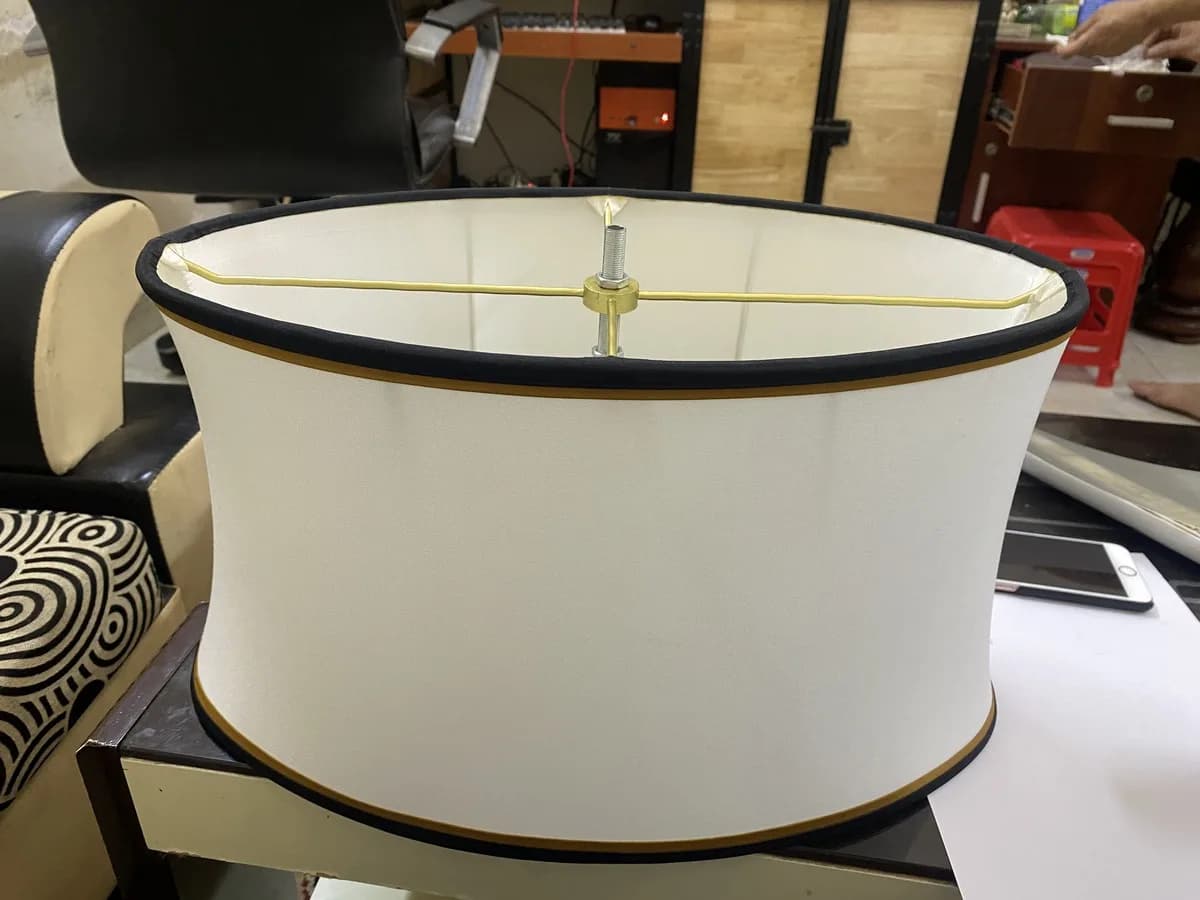
A non-round profile that reads more formal — the shape used for KAHA’s gold-trim finish (see the colours section below).
Square
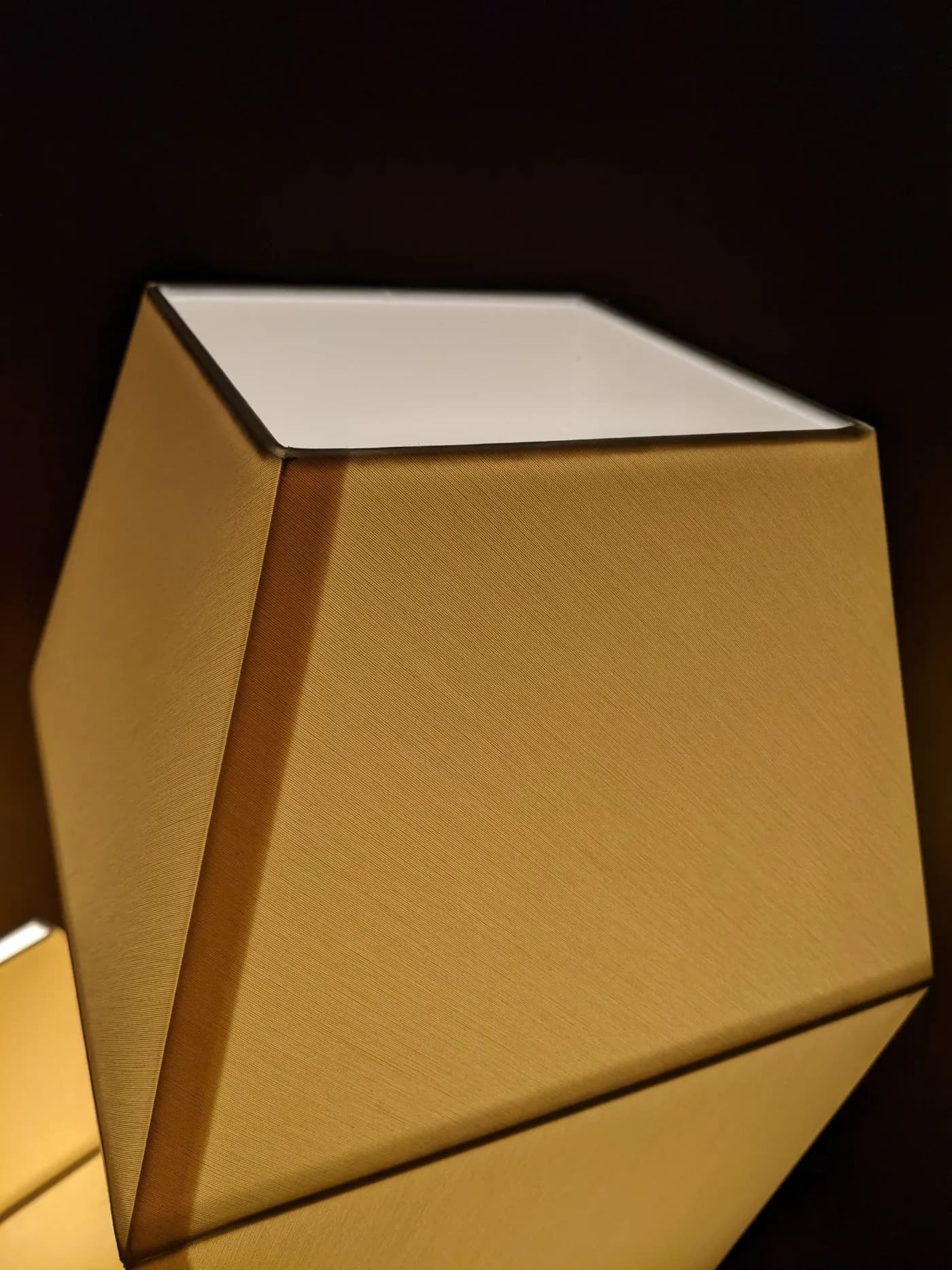
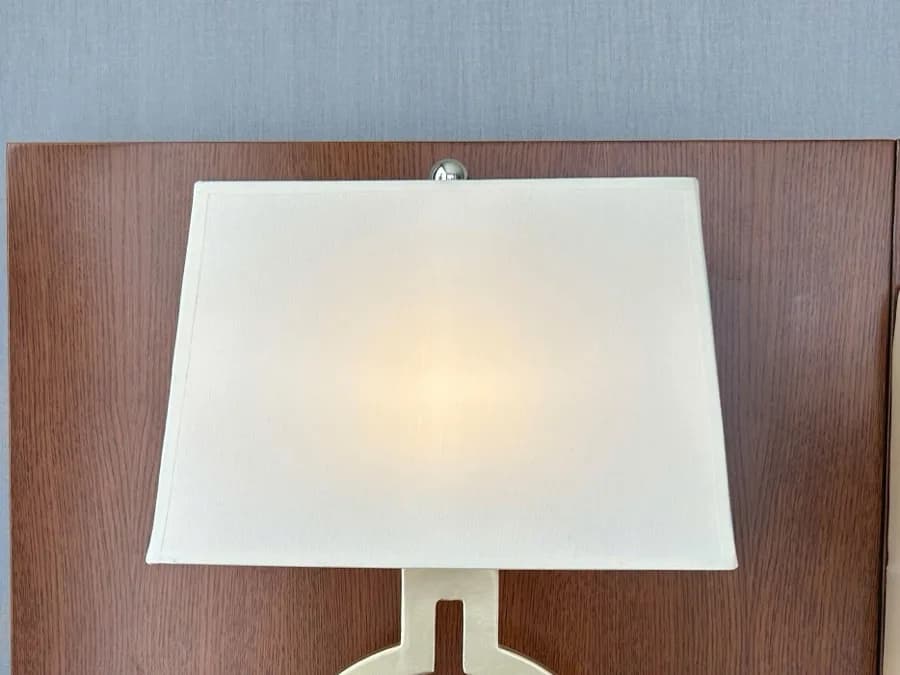
Clean, architectural lines for a modern base rather than a traditional turned one.
Pleated
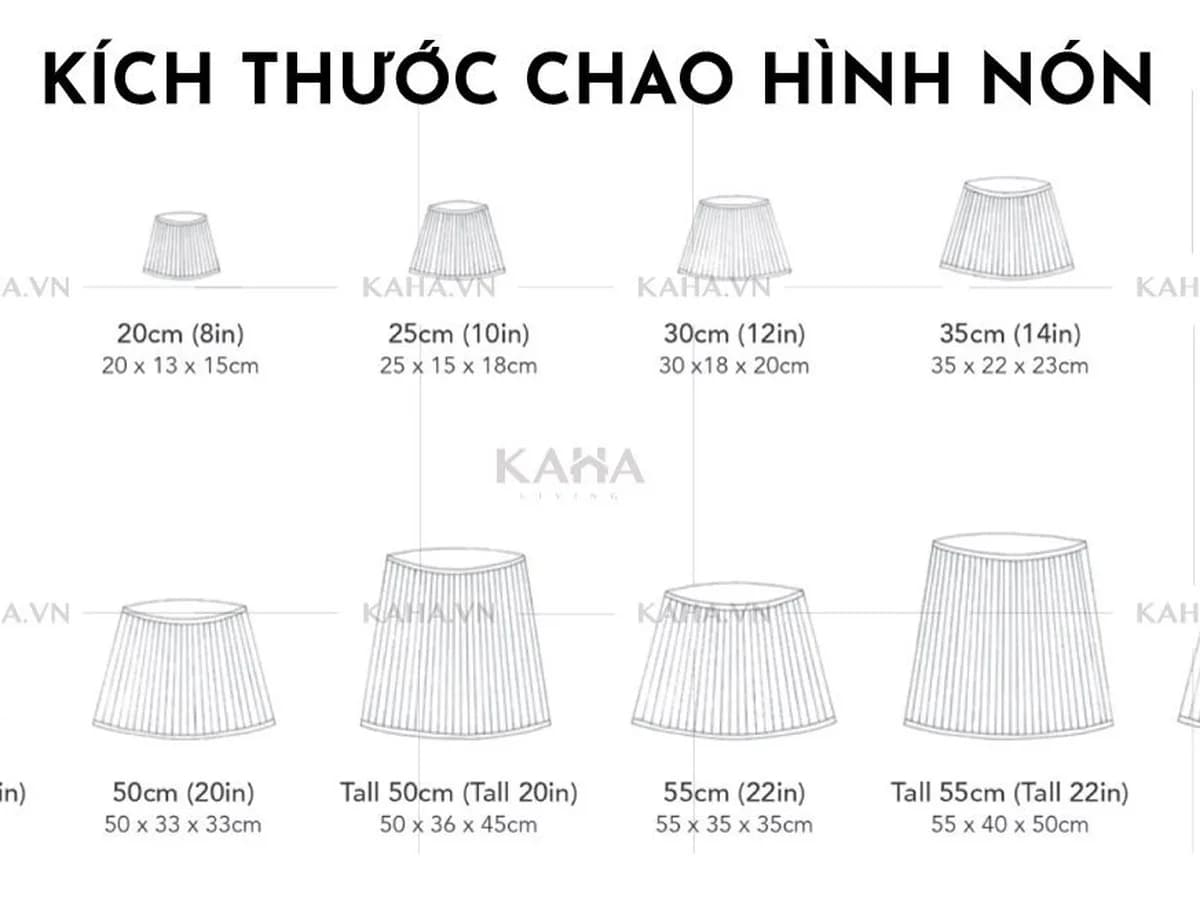
Fabric hand-folded into fine vertical pleats, throwing soft shadow lines as it lights up.
Cone
Narrows to a point at the top — a simple, low-profile silhouette for a slim base.
Sizing a Shade to Your Base
A shade that is too small looks perched on top of the base; one that is too wide swamps it. As a general rule of thumb used widely in lighting and interior-design guides — not a KAHA-specific measurement — a shade looks proportioned at roughly two-thirds to three-quarters of the base’s height, and roughly as wide as (or a little narrower than) the widest point of the base.
It is a starting point, not a rule — send us a photo of the base with something for scale (a phone, a hand, a ruler) and we suggest a shape and diameter that actually fits, before you order anything.
How to Measure a Lampshade
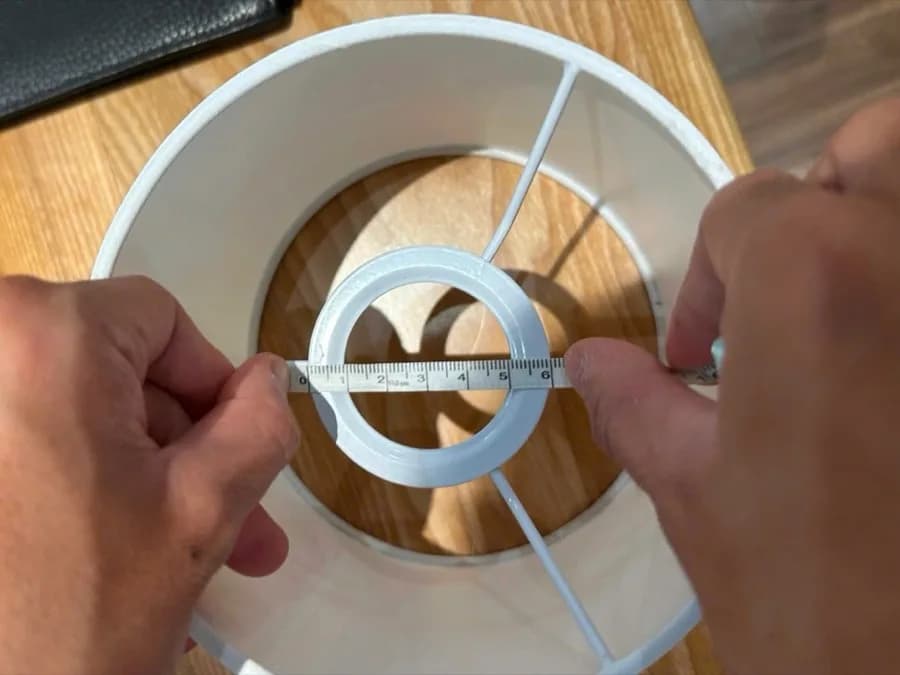
If you are measuring an existing shade to order a replacement, or measuring the base to size a new one, three measurements cover almost every question: the diameter across the top opening, the diameter across the bottom, and the slant height — the shade’s height measured along its sloped side, not straight down its centre.
This is a general measuring guide, not a KAHA-specific standard — the same three numbers are used across most lighting and interior design guides. If it’s easier, skip the tape measure and just send a photo with something for scale next to the shade or base; we can usually work out the sizing from that.
Fitter Types
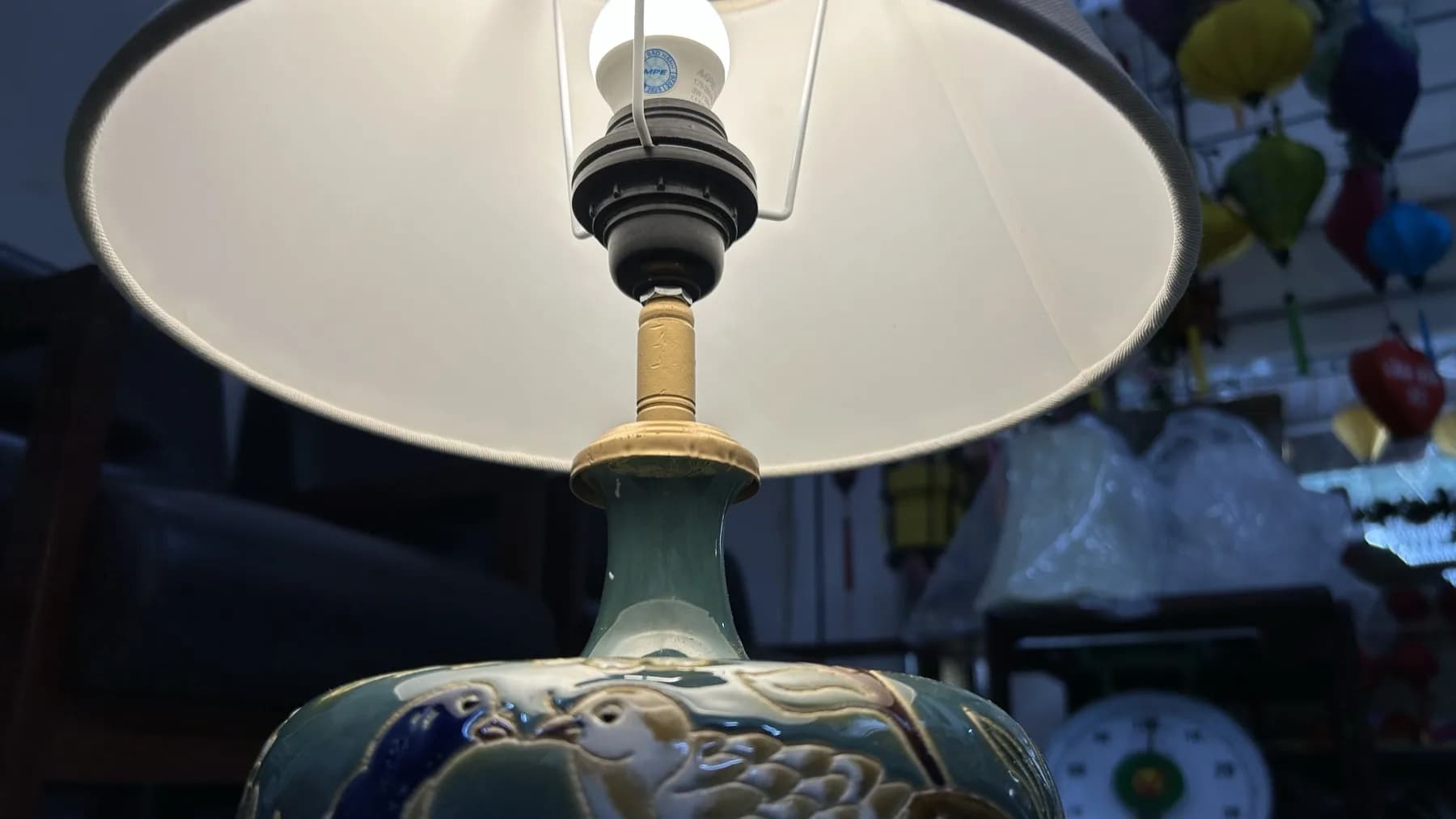
Lamp shades generally attach to a base one of three ways: a spider fitter, a ring welded inside the shade that rests on a harp arching over the bulb; a uno fitter, which clips directly onto the bulb socket rather than a harp, common on smaller bases; or a clip-on fitter, small clips that grip the bulb itself, used on shades with no harp at all.
Rather than guess which one your base uses from a description, the fastest way to get this right is a photo of the base with the old shade removed, showing the harp or socket clearly. Tell us the fitting you have and we’ll confirm which shades will attach to it before you order — this is the single most common reason a replacement shade doesn’t fit, and the easiest one to avoid.
Fabric and Colour Options
Natural linen is the most common choice for a table or bedside shade — even, gently textured, warm without leaning yellow. Plain white fabric reads brighter and cleaner on a side table; a black fabric shade or black-painted frame reads as a deliberate accent piece rather than something that disappears into the room. For a softer, slightly more luminous glow than linen, hand-woven raw tussah silk is the fabric most clients choose instead.
None of these is the “right” choice on its own — it depends on whether the lamp is meant to be noticed or to fade into the background. Ask us for swatches of any combination before you commit.
A Note on Each Fabric
The same notes KAHA gives clients choosing a fabric in person at the sample library, applied here to a table or bedside setting.
Linen xước
A linen with a light, natural slub texture — soft, understated, gently textured light. Suits 4–5 star hotel rooms and boutique bedrooms.
Linen tung
Linen flecked with fine, naturally scattered dark specks — warm and vintage, with an amber-toned glow. Suits French-colonial and retro-styled rooms.
Lụa tơ tằm
Traditional Hội An silk with a woven, raised pattern in richer colourways. Suits Asian-inspired interiors and spa-style bedrooms.
Lụa 2 da
Two layers of silk woven in different colours, shifting tone as the light changes — the most premium of the seven. Suits 5-star suites and presidential-style rooms.
Vải Tafta
A smooth, imported taffeta in pastel and brighter tones, colourfast and easy to keep clean. Suits 3–4 star hotel rooms and serviced apartments.
Đũi mộc — bestseller
Hand-woven raw tussah from Nam Định — natural, muted, with an irregular, handmade weave. KAHA's bestselling material, common in 4-star and design-led boutique rooms.
Vải bố
A heavy, natural-texture canvas with a rustic character. The most affordable of the seven — suited to homestay and industrial-style bedrooms.
Already Have a Lamp?
If the base is sound but the fabric has faded, torn or no longer suits the room, we measure the fitting by hand and build a new shade to match it — no need to buy a whole new lamp.
For a shade built to an exact drawing, a specific Pantone colour or a fitting that isn’t a standard size, see our full custom lampshades process — sketch to sample to production.
An Honest Comparison
A bedside shade gets handled more than almost any other lampshade in the house — switched on and off, bumped while reaching for a phone, dusted along with everything else on the nightstand. Fabric holds up to that daily handling for three to seven years depending on the cloth, and can be re-shaded rather than replaced when it eventually wears; it costs more upfront than paper or plastic and needs the care described further down this page.
Paper shades are inexpensive and give a soft character, but tear and stain quickly — realistically six months to two years — which makes them a poor fit for a fixture handled daily.
Plastic shades wipe clean easily and last mechanically, but the light is usually harder and less flattering for reading in bed, and the material tends to yellow under heat over time. For a fixture you’ll touch every night for years, fabric is the more honest long-term choice.
Light Beside the Bed
A bedside lamp is usually the last light in a room before it goes dark, and an open or glass shade at close range can be uncomfortably bright to look at directly. A fabric shade scatters that same bulb into a softer glow — comfortable to read by, and gentler on the eyes when you switch it off last thing at night.
As a general guide, the shade sits close to eye level when you are sitting up in bed, so the fabric — not the bare bulb — is what you see from the pillow. Linen gives the most even, muted glow of KAHA’s fabrics for this use; raw silk lets a touch more light through at its uneven, hand-woven threads for a slightly brighter read.
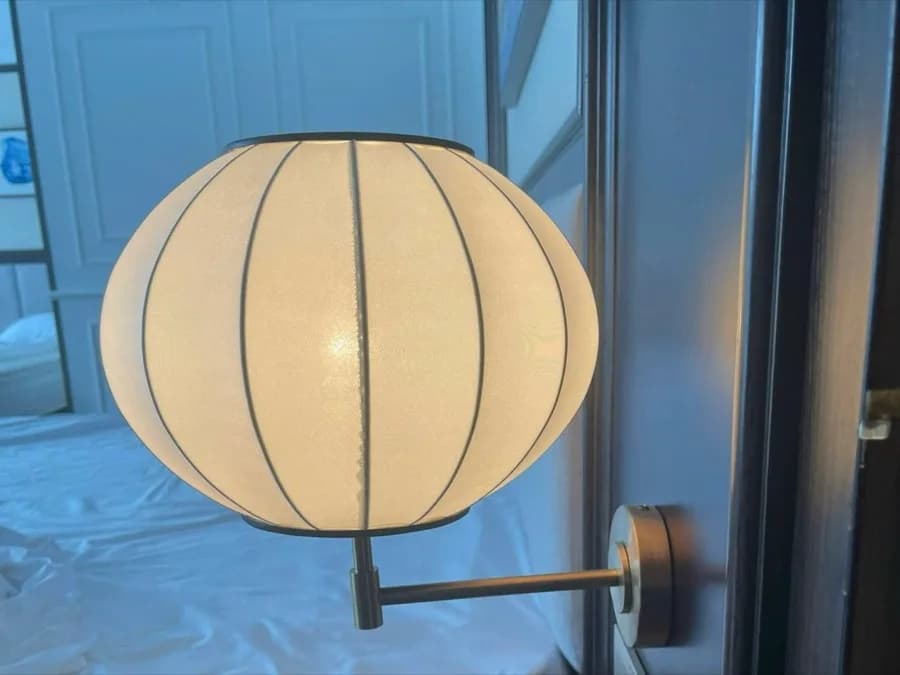
If a nightstand is too small or too narrow for a table lamp base, a fabric wall light mounted at bedside height is a common alternative — it frees up the surface for a book or a phone charger and gives the same soft, diffused fabric glow. KAHA builds wall lights in the same nine fabrics as its table and bedside shades.
Floor Lamp Shades, Too
A floor lamp uses the same kind of fabric shade as a table or bedside lamp — just sized for a taller base and, usually, a wider harp. If you have a floor lamp that needs a new shade, the same process applies: send us a photo of the fitting with something for scale, and we confirm which sizes and fabrics will work before you order. Browse the full collection for more of what KAHA builds.
Choosing by Room and Base
Not a rule — a starting point based on what KAHA sees ordered most often for each kind of base.
Nightstand
Small drum or empire, linen or silk, a fabric that reads soft and doesn’t glare when you’re lying down.
Console / entry table
A slightly larger or more decorative shade — oval or a gold-trim finish reads well as a first impression piece.
Living-room side table
Match the frame colour to nearby fixtures if you have them, so the room reads as one scheme.
Desk / workspace
A plainer, brighter fabric — white or pale linen — and a smaller drum that doesn’t block the light onto the desk.
Hotel-Style Bedside Lighting at Home
A number of KAHA’s bedside and table shades are built to the same brief hotels give us — even, warm light, a finish that holds up to nightly housekeeping, and a look that reads considered rather than generic. If you want the fuller picture of that hospitality work, including hotel bedside and table lamps at project scale, see our hospitality lighting page.
Ordering to Your Own Measurements
Most replacement-shade orders start with a photo of the base — with the old shade removed if you still have it, so the fitting is visible — and a rough height. We reply with a suggested shape, size and fabric, and a quote, usually within 30 minutes, then send fabric swatches before anything goes into production. Nothing is built until you have approved what you saw.
Packing and Delivery
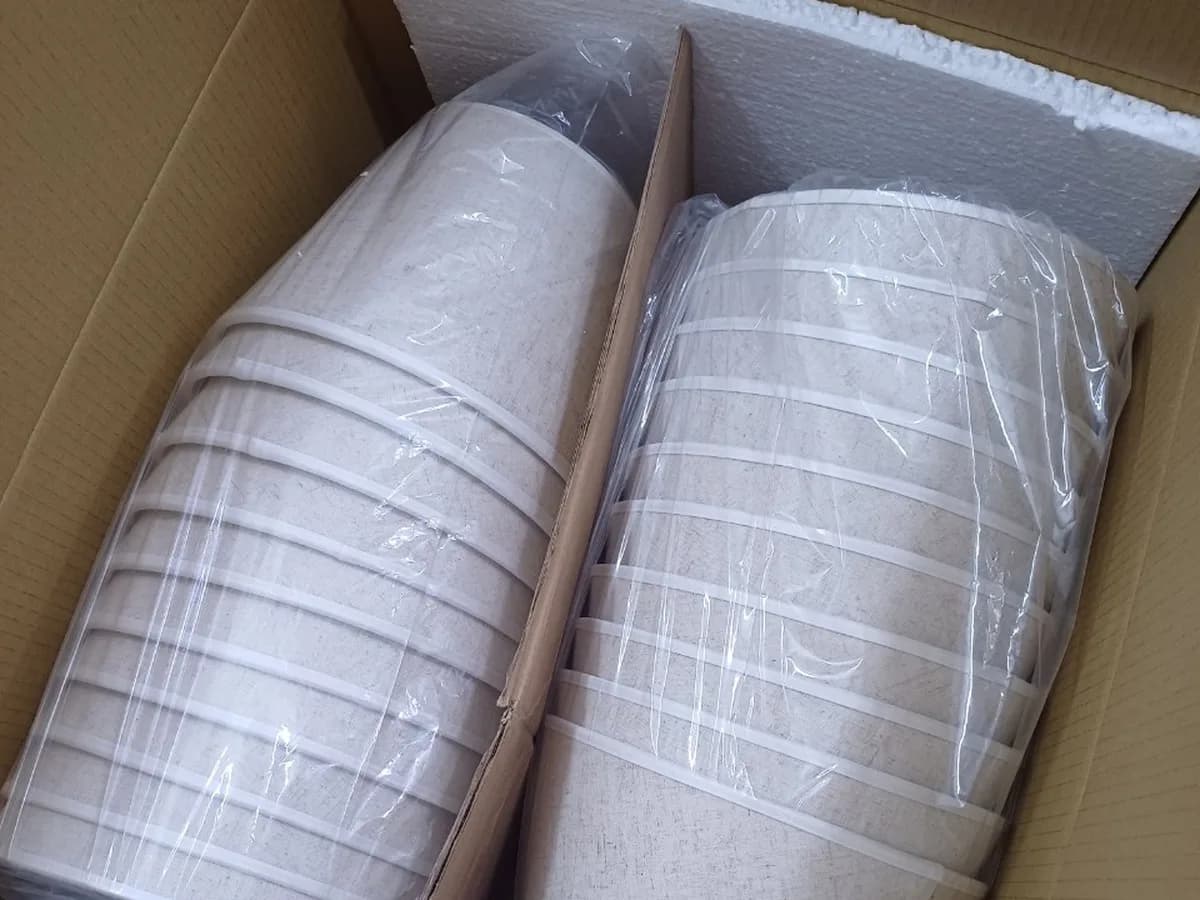
A fabric shade travels through five layers before it leaves KAHA: tissue paper wrapped around the fabric itself, shaped foam packed around the frame, a five-ply cardboard box, and a sealed QC stamp confirming the piece was checked before packing.
Delivery is arranged nationwide across Vietnam’s 63 provinces. For a hotel refurbishment reshading dozens of bedside lamps at once, we can also coordinate delivery in stages, room by room or floor by floor, rather than shipping the whole order in one go.
Warranty and Care
Every shade carries a 12-month warranty on the frame and stitching. Vietnam’s humidity is genuinely harder on a fabric shade than a dry climate — dust settles into the weave and, without airflow, colour can dull faster — so KAHA publishes the same three care rules we give our own hospitality clients:
1. Don't soak a glued shade
Only fabric stitched onto a steel frame can be soaked — water breaks the adhesive on a glued rim.
2. Lukewarm water, mild detergent
Wipe gently along the grain of the fabric with a well-wrung, soft cloth — don’t scrub.
3. Air-dry, out of direct sun
Dry naturally in a shaded, ventilated spot — a hot dryer or direct sun fades colour and shrinks the cloth.
If a shade is beyond a wipe-down — faded, torn, or simply tired after a few years — the frame or base is usually still sound. A re-shade in fresh fabric typically runs roughly 30–40% less than building new, under the same 12-month warranty.
Buying in Ho Chi Minh City, or From Elsewhere
If you are based in or visiting Ho Chi Minh City, KAHA’s office and sample library is open by appointment so you can hold the fabric against your own lamp base before deciding. See our full lamp shop in Ho Chi Minh City page for what to expect on a visit.
Not in Ho Chi Minh City? Delivery is arranged nationwide across Vietnam — send a photo or measurements of your base on WhatsApp and we quote and ship a shade the same way we would for a walk-in order.
How to Read a Price
Finished table and bedside shades across KAHA’s collection run from around $25 to $190, and fabric is usually the biggest lever behind where a specific shade lands in that range. Heavy canvas and raw tussah sit at the affordable end, two-tone silk and hand-pleated finishes at the top, with linen and taffeta in between.
Shape and finish move the price too — a pleated shade or a gold-trim oval takes longer to build than a plain drum. Send your base photo, preferred fabric and quantity on WhatsApp for a detailed, itemised quote, usually within 30 minutes.
If Something Doesn’t Look or Fit Right
A shade that won’t sit on the base is almost always a fitter mismatch — see the fitter-types section above — and the fastest fix is a photo of the base with the fitting visible before ordering, not after.
A shade that reads visually too small once it’s on the lamp is usually a proportion issue rather than a wrong measurement — this is exactly what the base-proportion guide further up this page is meant to help avoid.
A lamp that looks dimmer than expected is more often a bulb choice than a fabric problem — a dense fabric like Lụa 2 da will always read softer than an open linen weave behind the same bulb, which is the fabric doing exactly what it’s meant to. If a spot genuinely needs brighter task light, a plainer, lighter fabric or an additional light source usually solves it faster than chasing more brightness out of one shade.
Table & Bedside Shade Questions
Mostly the shade. Most buyers already have a table or bedside base and just need a new fabric shade sized to fit it. If you need a full custom piece built from a drawing, see our custom lampshades page.
In most cases, yes — send a photo of the fitting (spider, uno or clip-on — see the fitter-types section above) with something for scale, and we confirm which shade sizes will fit before you order.
This page covers shades sized to fit a base you already own. Our custom lampshades page covers built-from-a-drawing work — an exact size, a Pantone colour match, or a fitting that isn’t a standard size.
Linen gives the most even, muted glow, which suits most bedrooms. Raw tussah silk lets slightly more light through at its uneven, hand-woven threads if you read in bed and want a touch more brightness. We can send swatches of both before you decide.
Yes. Delivery is arranged nationwide across Vietnam. Send a photo or measurements of your lamp base on WhatsApp and we quote and ship the same way we would for a walk-in order at the sample library.
A single shade is fine — there is no minimum for one-off orders bought from the sample library or online. Larger production runs (for a hotel refurbishment, for example) start at ten pieces.
Our fabric lampshades run from around $25 to $190 depending on size, shape and fabric — the exact price depends on which of KAHA’s fabrics and finishes you choose. Send us a size or a reference photo and we quote the specific piece, usually within 30 minutes.
Three numbers cover most of it: the diameter across the top opening, the diameter across the bottom, and the slant height — measured along the shade’s sloped side, not straight down its centre. Or just send us a photo with something for scale if measuring isn’t practical.
Message us on WhatsApp with a photo or measurements of your base or existing shade. We reply with a quote, usually within 30 minutes, send swatches or a sample if useful, and ship once you approve — delivery is arranged nationwide across Vietnam.
Only fabric stitched onto a steel frame can be soaked — if the cloth is glued to a rim, water breaks the adhesive. Wipe gently along the grain of the fabric with a well-wrung, soft cloth in lukewarm water and a mild detergent, then air-dry naturally in a shaded, ventilated spot — never a hot dryer or direct sun, which fades colour and shrinks the cloth.
That's normal — most people don't. Send a photo of the base with the old shade removed, or with the shade still on if you can't remove it, and we'll identify the fitting from that rather than asking you to name it yourself.
Order a Shade
Looking for a ceiling fixture instead? See our fabric pendant lights page. Or browse the full collection, or head back to the KAHA overview.
What to send us for a fast quote